The freedom movement in India is dotted with stories from places that, without sound, narrate the bravery, sacrifice, and resistance of India. Mangal Pandey Park is part of one of these historic places. Located in Barrackpore, West Bengal, this park is not merely a place of leisure but rather a symbol of one of the first rebellions against British imperialism itself. It celebrates the life and sacrifice of Mangal Pandey, who was a vital catalyst behind the Revolt of 1857.
This is now a symbol of patriotism meant to attract students, history buffs, tourists and residents. In this blog, we discuss the history, geographic location, importance, architecture, cultural significance, experience of visitors to, and relevance of Mangal Pandey Park.
Who Is Mangal Pandey?
Mangal Pandey (19 July 1827 – 8 April 1857) was an Indian soldier (sepoy) who played an important but limited role in the events preceding the outbreak of the Indian rebellion of 1857 against British rule in India. Born in 1827 in current-day Uttar Pradesh, he openly defied British officers at Barrackpore in March 1857 against policies that hurt the religious and social sentiments of Indians soldiers. In doing so, his act of bravery is seen as one of the main triggers for the Revolt of 1857, and he is considered to be one of the first freedom fighters of India and a symbol of patriotism and sacrifice till today.
Background History of Mangal Pandey Park
To appreciate the significance of Mangal Pandey Park, we must go back in history. During British rule, Barrackpore was an important military cantonment and an integral part of the provincial administration. Here, in March 1857, Mangal Pande,y a sepoy of the Bengal Army, revolted openly against British officers.
Back then, India was ruled by the British East India Company. Sepoys in the Indian army were becoming very upset because of religion, discrimination and economic exploitation and felt very threatened. Heightening tensions was the decision to issue a new Enfield rifle cartridge, which was not only controversial among Indian soldiers but also appears to have been deliberately provocative.
The rebellion of Mangal Pandey at Barrackpore is widely seen as the symbolic beginning of the Revolt of 1857 itself. Shortly after, he was executed and became a martyr. Before the construction of the Park in proximity to this historically significant site, a tribute to his sacrifice and a testament to India’s nascent resistance against colonialism.
Location and Accessibility
Located in Barrackpore, a town in the North 24 Parganas district in the Indian state of West Bengal, Mangal Pandey Park (Mangal Pandey Udyan) is located on the eastern bank of the Hooghly River. Barrackpore is well connected to Kolkata by road and rail.
Adjacent to several other colonial structures, you can step into the park from the Barrackpore Railway Station. Mangal Pandey Park. Although Mangal Pandey Park might not be a park in the usual sense of the term, its strategic location within a historically rich region makes it one of the important destinations for heritage walks and educational tours. The park is often visited when touring Barrackpore’s colonial past, consisting of old cantonments, churches, and administrative buildings.
Also Read: Statue of Unity | Kashi Vishwanath Temple Ticket
Significance of Mangal Pandey Park
The site holds profound importance as it not only connects with the history but also signifies the spirit of resistance, which later transformed into a mass freedom struggle of India. The park is a tangible testament illustrating that one act of bravery can change the flow of history.
Mangal Pandey Park gives students and history lovers a connection to 1857. Instead of the rather generic Toewsas taught in textbooks, the park gives an opportunity to step back and remember the individual sacrifice of a soldier who was, in fact, an average man who simply rose against the enormous oppression of an empire. The park also serves an educational function as it remembers the lesser-known freedom fighters who effectively fought for India’s freedom before it became a national and organised movement in the 20th century.
Design and Features of the Park Planning
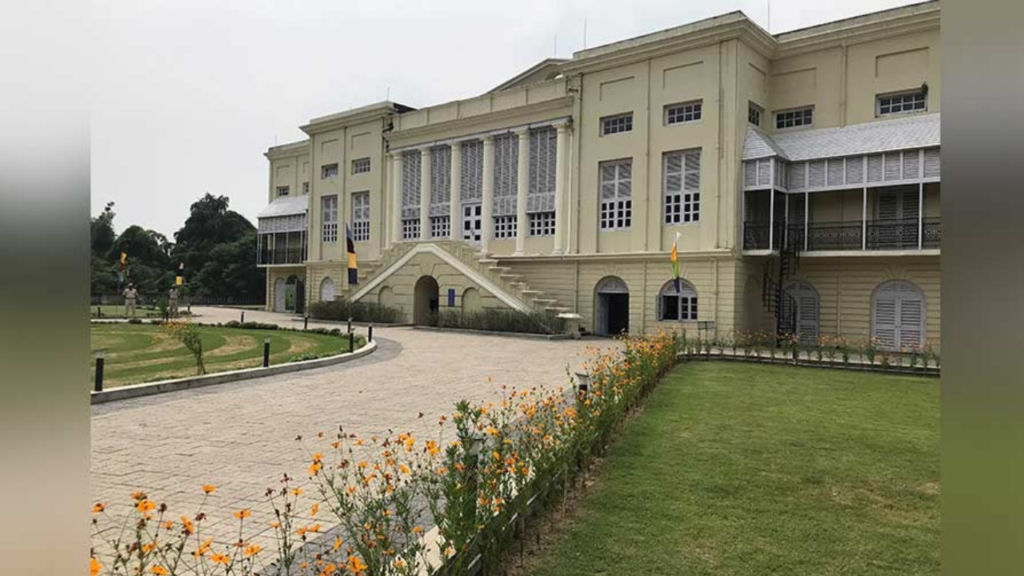
Mangal Pandey Park provides a tranquil, green space combining natural beauty and the vegetation of the park with the historical significance, which symbolises such a national hero. It has very neat lawns, alleys, benches, and garden beds that create a very peaceful atmosphere.
Mangal Pandey Park is among the more well-known properties of the park and has a statue of or memorial to Mangal Pandey. It is the centre of the park and is usually filled with flowers on national holidays and the Day of Remembrance. It represents courage, sacrifice, and patriotism.
The park has a few information plaques and inscriptions which describe the history of the site and mention Mangal Pandey’s contribution in a short paragraph, but do not bother to explain Indian history. These elements help transform the park into a platform for recreation and learning.
The site of Mangal Pandey Park as an Educational Site
Visits to Mangal Pandey Park are often part of the history and civics curriculum at many schools and colleges. The park provides students with a chance to learn outside of the classroom and experience actual history.
Educators frequently use the park to discuss Revolt of 1857 causes and consequences, the British Indian Army structure and the early emergence of nationalism in India. Studying history is important, but by being at a place where history unfolded, students develop real respect for the sacrifices made by freedom fighters.
Mangal Pandey Park also fosters self-teaching; it inspires visitors to explore and contemplate the larger historical narrative of the events related to the place.
Cultural and Social Importance
More than its history, Mangal Pandey Park is significant for the social and cultural life of Barrackpore. Residents around the park take a morning walk, bring their books to read and discuss for an outing.
This park mainly hosts two national celebrations, such as Independence Day and Republic day on which various programs, functions, and memorial activities are often organised here. These events typically consist of ceremonial flag hoisting, speeches, and cultural performances that honour India’s freedom struggle and, through it all, the park remains this nexus of time, a place where history is celebrated, but community life never ceased.
Role in Preserving National Memory
Historical memory fades quickly in a rapidly modernising world. Mangal Pandey Park is also important to a collective national memory because it preserves a physical connection to the earliest moments in India’s ongoing struggle against colonialism.
Memorial parks like these, therefore, ensure that freedom fighters like Mangal Pandey do not remain merely a name in a textbook. So now they are not just characters you read about in history bookshatather than just words on a page, they are now people, actually walked the earth, have fought, sweated, bled and died for this nation. Maintaining this space further upholds the ideals of bravery, dignity, and dedication that are quintessential to India’s freedom struggle, both authorities and citizens alike
Tourism and Visitor Experience
If you are a history buff and have been looking to enjoy a quiet and relaxing visit to a heritage site, then Mangal Pandey Park is your best bet. Rather than a hub of tourist activity, the park offers a reflective space where visitors can take in the history at a slow pace.
Mangal Pandey Park is close to other sites in Barrackpore, and also the city of Kolkata, and tourists typically combine their visit to the park with other attractions, making it a part of a bigger cultural tourism itinerary. With greenery, monuments and colonial ambience, the place is loved by people interested in photography. The park is typically open to the public for free or at a slight entrance fee, from morning to evening, accessible to all.
Significance of Mangal Pandey Park in Present-Day India
Mangal Pandey Park is especially relevant in contemporary India, with changing discussions around nationalism and identity. It reminds people that Freedom in India wasn’t a gift but a product of decades of struggle and sacrificing everything.
A park to reflect on the responsibility that goes with having a free and independent nation, including the need to protect democracy, embrace diversity, and promote justice. When society remembers figures like Mangal Pandey, it reinforces the idea that history is sometimes made by ordinary men. This historical Park, therefore, symbolises that jingoism is history repeated, but that action is now.
Preservation and Future Potential
Similar is the case with Mangal Pandey Park, another historical site in India, which needs to be maintained regularly (and developed wisely as well). We must preserve its historic facade but upgrade visitor amenities.
The park could be improved with guided tours, digital displays, or interactive exhibits that explain the history in greater detail. This sort of strategy might entice a younger audience and raise appreciation for the importance of the site.
Mangal Pandey Udyan will live on, as long as those in charge care about such a basic thing as the past and promotion. This Park will continue to be a learning, memory, and social place for generations to come.
Conclusion
This historical park is more than a public garden; it is the living memorial of one of the earliest freedom fighters and also an important phase of the Indian struggle for freedom from British colonial rule. Set in the history-laden township of Barrackpore, it commemorates the bravery, sacrifice, and defiance that changed the course of India’s fate.
People associate with the powerful legacy and the price that has to be paid for freedom by visiting Mangal Pandey Park. Serving as a historical landmark, a learning site, or a tranquil space for members of the community, the Park continues to evoke respect for the history of India and compels responsibility for its future. This park honours Mangal Pandey, so India keeps the spirit of resistance alive in public space, adding to the rubble of his native land.
Where is Mangal Pandey Park located?
The Mangal Pandey Park is located in Barrackpore, North 24 Parganas District of West Bengal, near the old Barrackpore Cantonment
Is there any entry fee for Mangal Pandey Park
No, entry for Mangal Pandey Park is free for all visitors.
Do visitors need tickets or prior bookings?
No tickets, pre-booking or registration required to visit the park.
Is Mangal Pandey Park open on weekends and holidays?
Yes, it remains open on weekends and most public holidays
Is photography allowed inside Mangal Pandey Park?
Photography is usually allowed, but visitors should respect the memorial nature of the site.
How can tourists reach Mangal Pandey Park?
The Park is easily accessible by local trains, buses, taxis, and autos from Kolkata and nearby areas.